 |
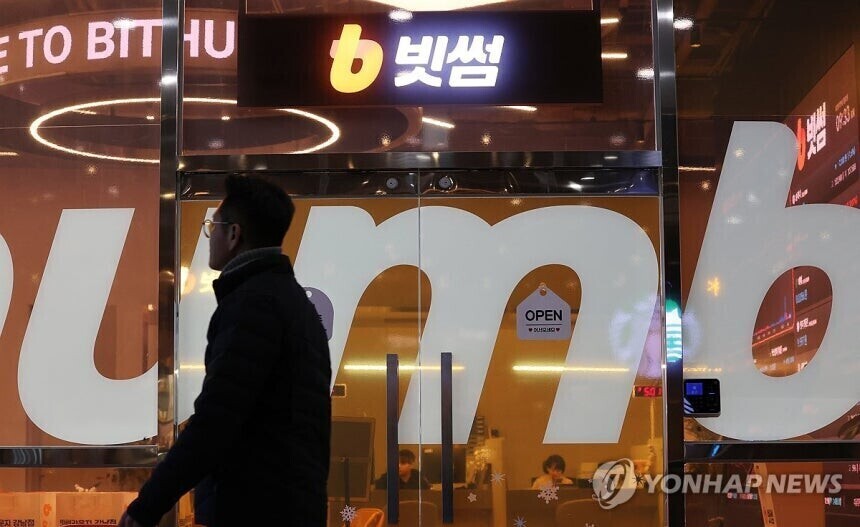
Photo courtesy of Yonhap News |
[Alpha Biz= Paul Lee] South Korea’s financial regulators have extended their inspection into cryptocurrency exchange Bithumb over a massive bitcoin overpayment incident—estimated at 60 trillion won—until the end of this month, raising the possibility that additional erroneous payouts could be identified.
According to regulatory officials on Wednesday, the Financial Supervisory Service (FSS) has extended the inspection period, originally scheduled to end on February 13, to later this month. Although FSS Governor Lee Chan-jin told a parliamentary hearing that inspection results would be reported by last week, authorities determined that additional time was required.
The FSS has increased the inspection team to eight members and is focusing on potential violations related to customer protection and anti–money laundering (AML) obligations. A key area of scrutiny is the IT system architecture that allowed coins not actually held by the exchange to be credited, as well as the asset verification and custody controls in place.
Bithumb has previously faced criticism from regulators for weak internal controls. Data submitted to the FSS and cited by Min Byung-duk, a member of the National Assembly’s Political Affairs Committee, show that during an on-site consulting review in 2024, Bithumb was flagged for insufficient accumulation and management of blockchain data needed to reconcile virtual asset movements between its ledger and wallets.
Despite six inspections and reviews conducted by the Financial Services Commission and the FSS between 2021 and 2025, critics have raised concerns about supervisory accountability, noting that authorities failed to detect system vulnerabilities that allowed erroneous entries.
During a parliamentary inquiry, Bithumb CEO Lee Jae-won said there had been two prior cases of mistaken coin credits that were later recovered, describing them as minor. However, additional suspected cases of erroneous payouts have since been reported. Officials said those incidents stemmed from different system errors and did not involve the issuance of “ghost coins” exceeding actual holdings, as seen in the latest case.
Regulators said they plan to examine these earlier incidents as part of the ongoing inspection.
Alphabiz Reporter Paul Lee(hoondork1977@alphabiz.co.kr)