
 |
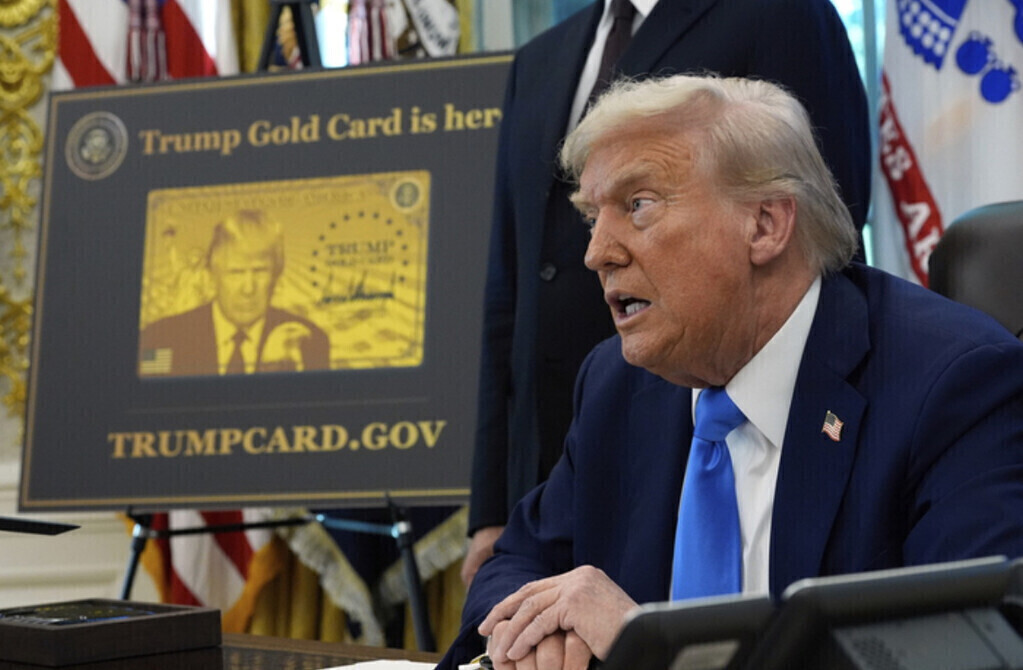
Donald J. Trump, President of the United States. (Photo: Yonhap News) |
[Alpha Biz= Kim Jisun] Harman, a subsidiary of Samsung Electronics, and the U.S. unit of Daehan Electric Wire & Cable have filed lawsuits against the U.S. government seeking refunds of reciprocal tariffs already paid and an injunction against further tariff assessments. The move is widely seen as a preemptive effort to secure refund rights as the U.S. Supreme Court is expected to rule as early as January 14 (local time) on the legality of the Trump administration’s reciprocal tariff measures.
According to industry sources and the U.S. Court of International Trade (CIT), the U.S. subsidiaries of Harman and Daehan Electric Wire recently filed lawsuits asserting that the reciprocal tariffs are invalid. They are among approximately 1,000 companies worldwide that have initiated similar legal actions challenging the tariffs.
In April last year, the Trump administration expanded executive authority under the International Emergency Economic Powers Act (IEEPA, enacted in 1977) to impose reciprocal tariffs on countries around the world, citing unfair trade practices and national security concerns. The tariffs were imposed through executive orders without congressional approval and applied at different rates by country.
South Korea was initially subject to a 25% tariff rate, which was later reduced to 15% following trade negotiations that included a commitment by South Korea to invest $350 billion (approximately KRW 517 trillion) in the United States.
U.S. importers subsequently filed lawsuits arguing that the tariffs constituted an excessive use of presidential authority and were therefore invalid. A Supreme Court ruling is expected within days. In May last year, a lower court ruled that the reciprocal tariffs were invalid due to an abuse of presidential authority, a decision that was upheld by an appellate court in August.

Alphabiz Reporter Paul Lee(hoondork1977@alphabiz.co.kr)