 |
Photo courtesy of Yonhap News |
[Alpha Biz= Kim Jisun] Internal allegations have emerged claiming that Tesla Korea is experiencing serious staffing shortages that are significantly disrupting vehicle deliveries, particularly due to delays in processing electric vehicle subsidy applications.
According to the claims, while customer orders continue to surge, frontline staff responsible for handling subsidy-related administrative work are leaving the company in large numbers, citing harsh working conditions. As a result, Tesla has reportedly been unable to deliver vehicles to customers on schedule.
Some customers have complained that although their vehicles have already been assigned, subsidy applications have yet to be submitted, preventing final delivery.
On Sunday, multiple posts described as internal whistleblowing appeared on Blind, an anonymous workplace community platform, purportedly written by Tesla Korea employees.
One post claimed that Tesla is no longer able to accept subsidy applications, adding that many employees have already left and that remaining staff are considering industrial action.
The posts pointed to a severe shortage of personnel handling subsidy-related administrative tasks. According to one account, roughly 2,000 subsidy applications are currently backlogged, all of which must be manually entered into the system. Including outsourced workers, the total number of staff responsible for this process is said to be around 20.
Concerns are also growing among customers. According to Tesla owner communities, some local governments reportedly show zero subsidy applications filed for Tesla vehicles.
In particular, complaints have emerged that subsidy applications are not being accepted at all in regional areas outside Seoul.
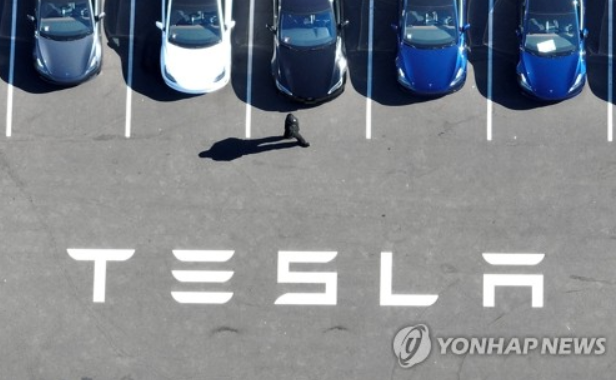
Despite vehicles having already arrived at South Korean ports, a growing number remain undelivered due to pending subsidy approvals, leading to what has been described as an inventory backlog.
Photos circulating on social media and online communities show thousands of Tesla vehicles allegedly left idle at a vehicle yard believed to be located near Pyeongtaek Port.
Industry observers warn that if the situation persists, it could negatively affect Tesla’s sales performance in South Korea. Last year, the Tesla Model Y recorded annual sales of 59,893 units, ranking first among imported vehicles in the country.
Alphabiz Reporter Kim Jisun(stockmk2020@alphabiz.co.kr)