 |
Photo courtesy of Yonhap News |
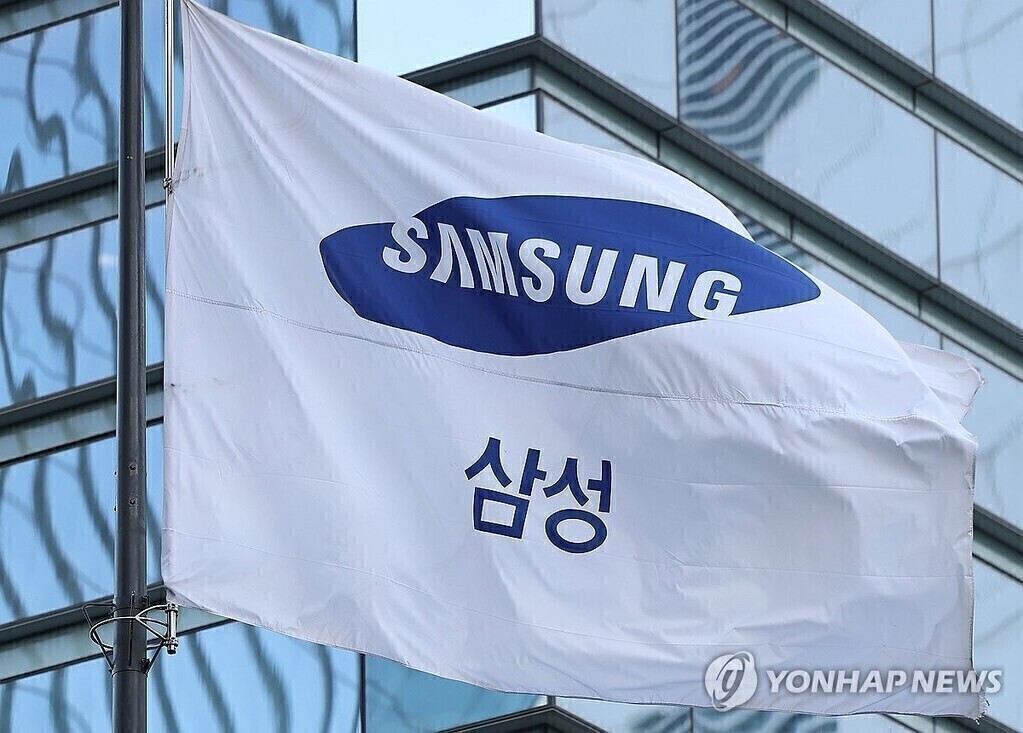
[Alpha Biz= Kim Jisun] Samsung Electronics plans to cancel approximately KRW 16 trillion ($12 billion) worth of treasury shares while ramping up record-high research and development (R&D) spending, as companies strengthen shareholder return policies under revised corporate governance rules.
According to its 2025 business report released on March 10, the company outlined plans for the disposal of treasury shares following changes in disclosure standards related to treasury stock.
As of the end of 2025, Samsung Electronics held 105.43 million treasury shares. The company plans to cancel about 87 million shares—approximately 82.5% of the total—during the first half of this year, equivalent to roughly KRW 16 trillion based on the closing price that day.
Samsung previously announced a KRW 10 trillion share buyback program in November 2024 and canceled about KRW 3 trillion worth of treasury shares from the first round of purchases in February 2025.
Meanwhile, the company’s R&D spending reached a record high. Samsung invested KRW 37.7548 trillion in R&D last year, up 7.8% from KRW 35.0215 trillion in 2024, according to the report.
Industry observers believe the increased investment reflects efforts to strengthen technological competitiveness in the rapidly expanding artificial intelligence (AI) semiconductor market, particularly through the development of next-generation memory such as high-bandwidth memory (HBM).
Samsung applied its 10-nanometer-class sixth-generation DRAM process—one generation ahead of competitors—to its HBM4 products. The chips achieve data transfer speeds of about 11.7 Gbps, roughly 46% faster than the international semiconductor standards, the company said.
Last month, Samsung began mass shipments of HBM4, becoming the first company to do so. The product is expected to be used in Nvidia’s next-generation AI chip, “Vera Rubin.”
The company is also strengthening its non-memory semiconductor business. Its foundry division is developing a 2-nanometer process targeted for mass production in the second half of this year, while the System LSI division has focused on improving the performance of its mobile application processor Exynos 2600.
Compared with its predecessor, the Exynos 2600 delivers up to 39% higher CPU performance and a 113% improvement in generative AI performance, according to the company.
The business report also disclosed executive compensation.
Jun Young-hyun, vice chairman and head of the Device Solutions (DS) division, received KRW 5.606 billion last year, including KRW 1.711 billion in salary and KRW 3.578 billion in bonuses.
Roh Tae-moon, head of the Device Experience (DX) division, earned KRW 6.125 billion, while Lee Won-jin, president and head of global marketing, received KRW 7.305 billion.
Song Jae-hyuk, chief technology officer (CTO), was paid KRW 1.843 billion.
Han Jong-hee, the former vice chairman who passed away last year, received KRW 13.407 billion, including KRW 8.558 billion in retirement pay.
Employee compensation also reached a record level. The average annual salary for Samsung Electronics employees rose to KRW 158 million in 2025, up KRW 28 million, or 21.5%, from the previous year.
The increase is widely attributed to improved performance amid the recovery of the semiconductor market driven by the global AI boom.
Samsung also introduced a Performance Share Unit (PSU) program last year, pledging to grant 35.29 million shares to about 130,000 employees, averaging 275 shares per employee.
However, the actual number of shares to be distributed will be determined by the company’s stock performance through October 2028, meaning the final payout remains undecided.
As of the end of last year, Samsung Electronics employed 128,881 people in Korea, excluding registered executives, slightly down from 129,480 the previous year, while maintaining its position as the largest private employer in the country.
The average employee tenure rose from 13.0 years to 13.7 years.
Meanwhile, the number of retail shareholders stood at 4.19 million at the end of last year, down 18.7% from 5.16 million in 2024. Retail investors hold 66.04% of the company’s 5.92 billion outstanding shares.
Alphabiz Reporter Kim Jisun(stockmk2020@alphabiz.co.kr)