
 |
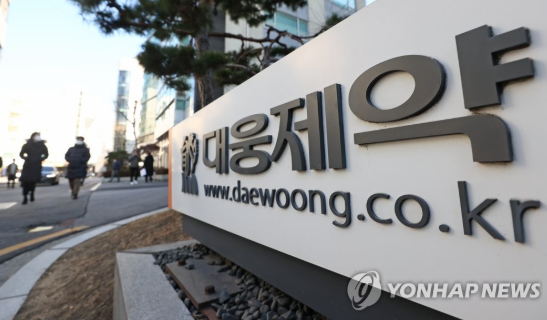
Photo courtesy of Yonhap News |
[Alpha Biz= Paul Lee] Allegations that Daewoong Pharmaceutical lobbied for the removal of botulinum toxin technology from South Korea’s list of national core technologies are fueling controversy as an appellate court continues to hear a trade secret infringement lawsuit between Medytox and Daewoong. Observers say the issue could influence both the appellate ruling and the government’s decision on whether to maintain the technology’s national core designation.
According to a March 15 report by Edaily, former Anti-Corruption and Civil Rights Commission (ACRC) Chairman Yoo Cheol-hwan has been criminally accused of violating South Korea’s anti-graft law. The accusation follows findings from an investigation by the Office for Government Policy Coordination and an internal ACRC audit into a petition filed in September 2023 requesting the removal of botulinum toxin technology from the national core technology list.
Investigators said that during Yoo’s tenure, internal discussions within the ACRC initially leaned toward dismissing the petition. However, the complaint was later reportedly refiled multiple times through what was described as a “self-registration” process. Authorities also believe there may have been instructions aimed at producing corrective recommendations or institutional changes favorable to lifting the national core technology designation for botulinum toxin.
In connection with the case, not only Yoo but also a senior ACRC bureau director has reportedly received heavy disciplinary action, including removal from his position.
Following the disclosure of the investigation and audit results, political circles and industry observers have raised concerns about possible collusion between a private company and a government agency. Some have also questioned whether corporate lobbying may have influenced the decision-making process of government institutions.
Whether botulinum toxin technology will remain classified as a national core technology has become a key issue in South Korea’s pharmaceutical and biotech industries. The designation has significant implications for companies, particularly as Daewoong Pharmaceutical and Medytox are currently engaged in civil and criminal litigation over alleged misappropriation of botulinum toxin strains and manufacturing processes.
The South Korean government first designated the botulinum toxin production process as a national core technology in 2010 and expanded the designation in 2016 to include the strains themselves. As a result, companies possessing such technologies must undergo approval or reporting procedures with the Ministry of Trade, Industry and Energy when exporting the technology or engaging in foreign investment or overseas mergers and acquisitions.
Industry observers say that if botulinum toxin technology were removed from the national core list, it could influence ongoing litigation. The designation is closely tied to the assessment of whether the technology constitutes a protected trade secret and whether it holds strategic industrial value.
A national core technology designation indicates that the government views the technology as important for national industrial competitiveness and security. Conversely, if the designation is lifted, it could suggest that the technology’s strategic importance has diminished.
In such a case, Daewoong Pharmaceutical could argue that the need for strict protection of the technology had been overstated or that the technology falls within the scope of general industrial technology.
Another variable is whether recommendations from the ACRC could affect the Ministry of Trade, Industry and Energy’s decision on maintaining or lifting the designation. If the ACRC issues corrective or policy recommendations, they could serve as reference points in the ministry’s deliberations.
While some media outlets have suggested the government may reconsider the designation, analysts say the recent controversy surrounding the ACRC investigation may instead lead the ministry to adopt a more cautious approach in its policy decision-making process.
Alphabiz Reporter Paul Lee(hoondork1977@alphabiz.co.kr)