 |
Photo courtesy of Yonhap News |
[Alpha Biz= Kim Minyoung] As the conflict in the Middle East drags on, damages and operational difficulties faced by South Korean small and medium-sized exporters are increasing.
According to the Ministry of SMEs and Startups (MSS) on March 18, a total of 232 cases of damage, difficulties, or related concerns had been reported as of 12:00 p.m., up by 106 cases from the previous week. Of these, 171 cases involved actual damages or operational disruptions, while 61 were categorized as concerns.
Among reported issues (multiple responses allowed), transportation disruptions accounted for the largest share at 67.8% (116 cases), followed by rising logistics costs at 36.8% (63 cases). Contract cancellations or suspensions (59 cases, 34.5%) and delayed or unpaid receivables (54 cases, 31.6%) were also reported in more than 50 instances each.
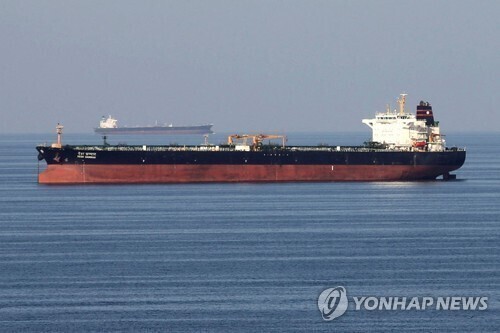
Company A has been notified of additional logistics costs due to the blockade of the Strait of Hormuz, while Company B has suspended all shipments to the Middle East as the paralysis of Iran’s local financial network and communication outages have indefinitely delayed the recovery of outstanding receivables.
Reported concerns included potential transportation disruptions (44 cases, 77.0%) and loss of communication (6 cases, 9.8%).
By export destination, Iran accounted for the highest number of reported cases at 70 (30.1%), followed by Israel with 51 cases (22.0%). Reports involving other Middle Eastern countries, including the UAE and Saudi Arabia, increased significantly, rising from 59.5% (75 cases) last week to 69.8% (162 cases).
To help alleviate logistics cost burdens, the MSS will begin accepting applications for emergency logistics vouchers starting March 20. Eligible companies can receive up to KRW 10.5 million per firm, with a government subsidy rate of 70%. Applications can be submitted online through the Export Voucher Platform.
알파경제 Kim Minyoung Reporter(kimmy@alphabiz.co.kr)