 |
Photo courtesy of Yonhap News |
[Alpha Biz= Paul Lee] As controversy over so-called “margin-based franchise fees” spreads across South Korea’s franchise industry, attention is turning to why the country’s top court reached opposing conclusions in cases involving Mom’s Touch and Pizza Hut Korea. While both cases centered on distribution margins earned by franchisors in the supply of ingredients and materials, the court focused on how those margins were formed and whether franchisees had been adequately informed and consulted in advance.
On January 29, the Supreme Court of Korea finalized a ruling against franchisees who had sought the return of alleged unjust enrichment from Mom’s Touch. The court found that Mom’s Touch had engaged in multiple rounds of consultations with franchisees prior to raising prices for raw and subsidiary materials, and that the increases reflected legitimate business decisions responding to higher costs and changing market conditions.
The court held that because the company had explained in advance the reasons for the price increases and the pricing structure, and had coordinated opinions with franchisees, the resulting distribution margins could not be deemed unjust enrichment. It further noted that franchisees entered into transactions with full awareness that the franchisor was earning margins.
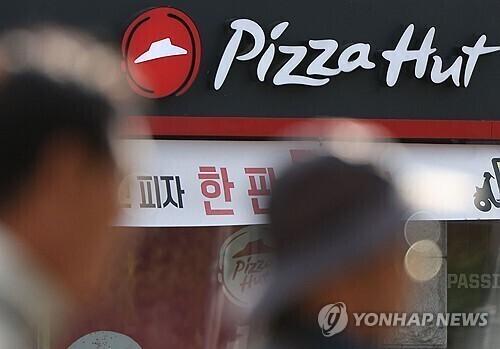
By contrast, the court reached the opposite conclusion in the earlier Pizza Hut Korea case—the first in which margin-based franchise fees were judicially challenged. In that case, the court found that Pizza Hut Korea had generated profits through the supply of ingredients and materials without clearly stipulating margin-based fees in its franchise agreements.
Particularly problematic, the court said, was Pizza Hut Korea’s use of a third-party logistics model in which the franchisor did not directly operate logistics but nonetheless extracted margins without contractual grounds. The court also emphasized that franchisees were not sufficiently aware that they were bearing such costs, a key factor in determining unjust enrichment.
Pizza Hut Korea argued that margin-based fees had been disclosed in its information disclosure documents. However, the court ruled that disclosure alone did not constitute contractual agreement with franchisees. The court also took into account that franchisees were already paying monthly royalties and advertising fees, concluding that the additional burden of margin-based fees further supported a finding of unjust enrichment.

Alphabiz Reporter Paul Lee(hoondork1977@alphabiz.co.kr)