 |
Photo courtesy of Yonhap News |
[Alpha Biz= Ellie Kim] South Korea’s financial authorities have launched a comprehensive investigation into long-term delinquent debt collection practices following sharp criticism from Lee Jae-myung, who described such practices as “primitive predatory finance.”
According to regulatory officials, the Financial Services Commission (FSC), in coordination with the Financial Supervisory Service and the Korea Credit Information Services, has initiated a full-scale review of cases where personal debt overdue for more than seven years is held by securitization entities.
The probe aims to identify blind spots in long-term debt collection practices and uncover similar cases across the financial system. Authorities plan to utilize registration data for asset-backed entities as well as consumer complaint records to assess the scope of the issue.
The move follows controversy surrounding “Sangnoksu,” a private bad bank established during South Korea’s early-2000s credit card crisis, which has continued to pursue long-term debt collection.
Separately, another private bad bank, KB Star, is reportedly in discussions to transfer its portfolio of ultra-long-term delinquent loans—originally acquired from KB Kookmin Bank—to a government-backed debt relief program.
KB Star, founded in 2020 as a securitization vehicle, holds personal unsecured loans that have been delinquent for over a decade. At the time of transfer, the portfolio included approximately 40,000 borrowers with principal loans totaling KRW 862.8 billion, while the total claim amount including accrued interest was estimated at around KRW 2 trillion.
Although KB Kookmin Bank retains only a 1% stake, the entity is largely backed by lending firms. The stakeholders are reportedly considering transferring the debt to the government’s “Saedoyak Fund,” a program designed to support financially distressed borrowers.
A spokesperson from the Korea Asset Management Corporation (KAMCO) said that KB Star is in the process of negotiating the sale of its delinquent debt portfolio to the fund.
A representative from KB Kookmin Bank stated that the company has been actively supporting borrowers’ financial recovery by offering debt relief of up to 90% of principal and has been in discussions with authorities since early this year to join the Saedoyak Fund program, with plans to proceed with the transfer by the end of June.
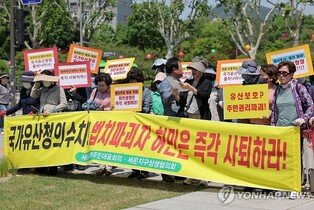
The controversy intensified after President Lee publicly criticized Sangnoksu via social media, expressing shock that such practices were still ongoing. He also reiterated his stance during a cabinet meeting, noting that while financial institutions had received taxpayer support during the credit card crisis, they continue to aggressively pursue long-overdue debts.
Following the remarks, the FSC convened an emergency meeting with all shareholders of Sangnoksu at the Government Complex Seoul to discuss resolution measures. The parties agreed to transfer eligible long-term delinquent debt—defined as loans under KRW 50 million and overdue for more than seven years—to the Saedoyak Fund as quickly as possible.
With the expected liquidation of Sangnoksu, approximately 110,000 long-term delinquent borrowers—representing KRW 845 billion in outstanding claims—are anticipated to be released from prolonged debt collection burdens.
Alphabiz Ellie Kim 인턴기자(press@alphabiz.co.kr)