
 |
(From left) Yeo Myung-gu, Head of the People Team at Samsung Electronics’ Device Solutions (DS) Division, and Choi Seung-ho, Chairman of the Samsung Electronics chapter of the Samsung Group Labor Union, shake hands after signing a tentative wage agreement at the Gyeonggi Regional Employment and Labor Office in Suwon on May 20. ⓒ Yonhap News Agency |
[Alpha Biz= Reporter Lee Joonhyun] SEOUL, May 21 — An exclusive report by AlphaBiz — Samsung Electronics’s semiconductor division is facing internal allegations that it has delayed cost compensation for suppliers while posting massive profits, raising concerns over unfair subcontracting practices.
According to findings by AlphaBiz on May 21, Samsung’s semiconductor business postponed reflecting rising raw material costs in supplier pricing until the end of the third quarter, despite a sharp surge in input costs this year. The company is also said to have implemented across-the-board price cuts for subcontractors in the first quarter and refrained from raising procurement prices in the second quarter, even as costs for petrochemical materials climbed significantly.
As a result, smaller suppliers with limited financial capacity have reportedly been forced to absorb mounting losses for more than half a year, pushing some to the brink of survival.
The allegations have sparked criticism that profits generated under an imbalanced contractor–subcontractor structure are being concentrated among the parent company and its employees. Calls are also growing within the company for greater reflection, particularly as labor unions seek sizable performance bonuses based on strong earnings.
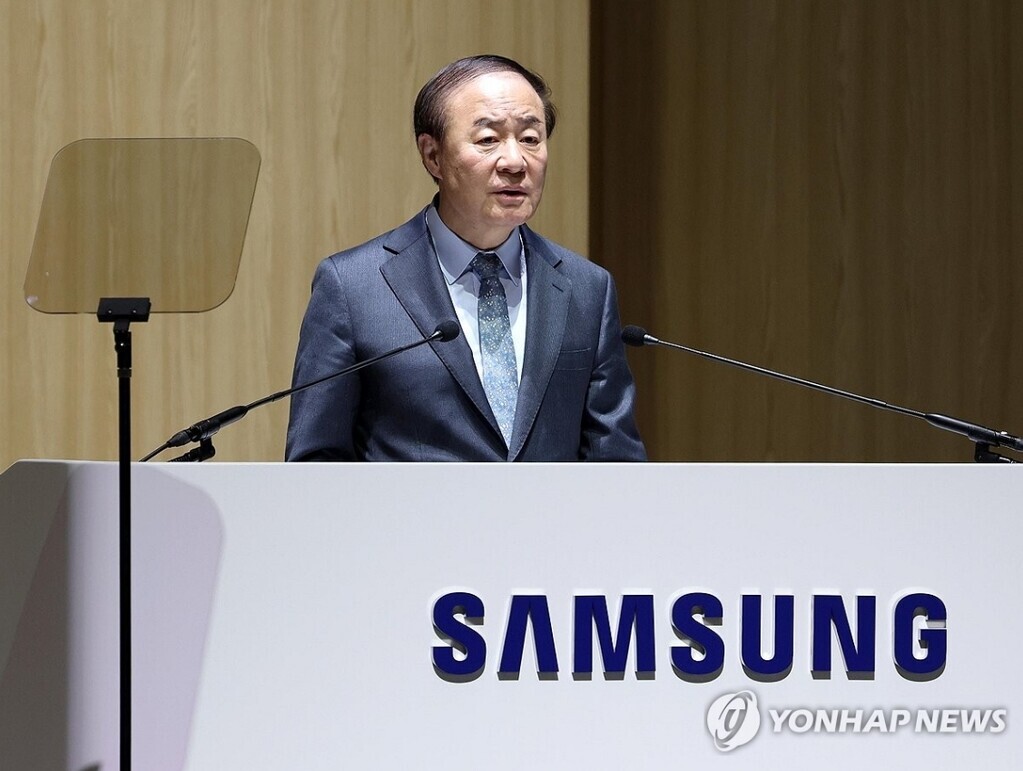 |
Jun Young-hyun, Vice Chairman and CEO of Samsung Electronics and Head of its Device Solutions (DS) Division, delivers opening remarks as chair at the company’s 57th annual general meeting of shareholders held at Suwon Convention Center in Yeongtong-gu, Suwon, on May 18. (Photo: Yonhap News Agency) |
An industry insider familiar with Samsung’s internal operations said, “Prices were unilaterally cut in the first quarter, raw material surges in the second quarter were ignored, and even cost compensation was deferred to the third quarter — leaving suppliers devastated.”
Experts warn that sustainable growth will require addressing longstanding structural imbalances. “The substantial operating profits being highlighted are effectively the result of cost transfers imposed on suppliers by leveraging dominant market power,” said Kim Soo-hyun, a professor at Hanyang University. “Before celebrating profit-sharing internally, companies must first restore fair pricing for suppliers and pursue mutual growth.”
Alphabiz 이준현 기자(wtcloud83@alphabiz.co.kr)