 |
Photo courtesy of Yonhap News |
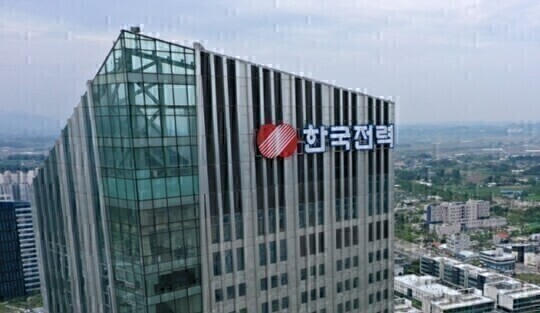
[Alpha Biz= Ellie Kim] Korea Electric Power Corporation (KEPCO) reported robust first-quarter earnings, but mounting concerns are emerging over its financial outlook as rising global energy prices—driven by ongoing tensions in the Middle East—are expected to weigh on performance from the second quarter onward.
According to its earnings release on May 13, KEPCO posted consolidated revenue of KRW 24.40 trillion for the first quarter, up 0.7% year-on-year. Operating profit reached KRW 3.78 trillion, marking a modest 0.8% increase from the same period last year.
The company has now recorded operating profits for 11 consecutive quarters. However, analysts warn that cost pressures are likely to intensify in the coming quarters due to elevated fuel prices.
The ongoing conflict involving the United States and Iran has driven up global energy prices, particularly liquefied natural gas (LNG). Even in the first quarter, fuel costs for KEPCO’s subsidiaries rose 4.1% (KRW 207.7 billion).
To mitigate LNG supply concerns, coal-fired power generation increased by 7.7% year-on-year, but coal prices have also risen in tandem with global oil prices. KEPCO reported that the average import price of thermal coal climbed 13.4% year-on-year to $119.9 per ton.
LNG prices have seen even sharper volatility. The Japan-Korea Marker (JKM)—a key benchmark for LNG imports into Korea—rose from $10.73 per MMBtu on February 27, prior to the outbreak of hostilities, to as high as $22.35 on March 19, and has since stabilized at around $17. This represents an increase of nearly 70% compared to pre-conflict levels.
As a result, an unusual price inversion has emerged in the LNG market, with spring prices exceeding winter levels—a phenomenon not seen since the post-pandemic demand surge in 2021. According to Korea Gas Corporation, wholesale LNG prices for power generators in May rose to KRW 17,961 per gigajoule, about 10% higher than in January.
The financial impact of these cost increases is expected to materialize more fully from the second quarter, given the lag effect in LNG pricing—typically around two months for spot contracts and up to five months for long-term agreements. KEPCO’s average LNG procurement cost rose from KRW 892.9 per ton in the first quarter to KRW 914.3 per ton in April.
Additional pressure is expected during the summer peak season, when electricity demand reaches its highest levels. While KEPCO has increased coal and nuclear generation to limit LNG usage, the flexibility of LNG-fired power plants—responsible for setting the system marginal price (SMP) in approximately 83% of cases—means that the company remains highly sensitive to global LNG price fluctuations.
Amid these challenges, some securities firms have warned that KEPCO could return to losses in the fourth quarter, potentially posting deficits amounting to several hundred billion won if current conditions persist.
Alphabiz Ellie Kim 인턴기자(press@alphabiz.co.kr)