
 |
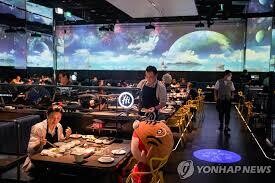
Photo courtesy of Yonhap News |
[Alpha Biz= Kim Sang Jin] Chinese offline franchise brands—often referred to as “C-franchises”—are rapidly expanding their presence in South Korea’s food and beverage market, extending beyond hotpot and mala-tang into large-scale milk tea chains.
According to an analysis of regulatory filings by Yonhap News Agency on May 3, the Korean unit of Haidilao posted revenue of KRW 117.7 billion in 2024, surpassing the KRW 100 billion mark for the first time since entering the market. This represents an 8.4-fold increase from KRW 14 billion in 2020. Operating profit also rose 83.6% year-on-year to KRW 20.2 billion.
Haidilao entered Korea in 2014 with its first store in Myeong-dong and now operates 11 directly managed outlets nationwide, including in Seoul, Busan, and Jeju.
Growth in the mala-tang segment is also notable. Tanghulu Kungfu, which entered Korea in 2013, has expanded to more than 560 locations nationwide as of March. Its Korean unit reported revenue of KRW 25.5 billion last year, up 14.9% from the previous year, with operating profit rising 4.7% to KRW 11.1 billion.
Another hotpot chain, Yongga Hotpot, has rapidly expanded to nine locations since opening its first Gangnam store in December 2024, with outlets now operating in key commercial districts including Myeong-dong, Konkuk University, Daehangno, and Busan’s Seomyeon.
The Chinese F&B boom, initially driven by hotpot and mala-tang, is now being propelled by aggressive expansion of milk tea brands. Since Mixue entered Korea in 2022, other brands such as ChaPanda and HEYTEA have followed suit.
Mixue currently operates 16 stores primarily in Seoul and the surrounding metropolitan area. ChaPanda, which opened its first Korean store in January 2024, has expanded to more than 20 locations, including Jeju. HEYTEA, which entered the market in March 2024, has established a presence in five major Seoul districts, targeting younger consumers.
Most recently, premium tea brand Chagee launched three stores simultaneously in Seoul’s Gangnam, Yongsan, and Sinchon districts on April 30, marking a full-scale push into the Korean market. With more than 7,000 stores globally, Chagee also became the first Chinese milk tea brand to list on the U.S. Nasdaq in April last year.
The rapid expansion of Chinese franchises stands in stark contrast to the sluggish domestic dining industry. According to data from the Fair Trade Commission, the restaurant opening rate in Korea fell to 18.2% in 2024 from 21.5% a year earlier, while the closure rate rose to 15.8% from 14.9%.
Industry observers say competitive pricing, trend-driven menus, and aggressive store rollout strategies are likely to further strengthen the presence of Chinese franchises in Korea’s F&B market.
알파경제 Kim SangJin Reporter(ceo@alphabiz.co.kr)