 |
Photo courtesy of Yonhap News |
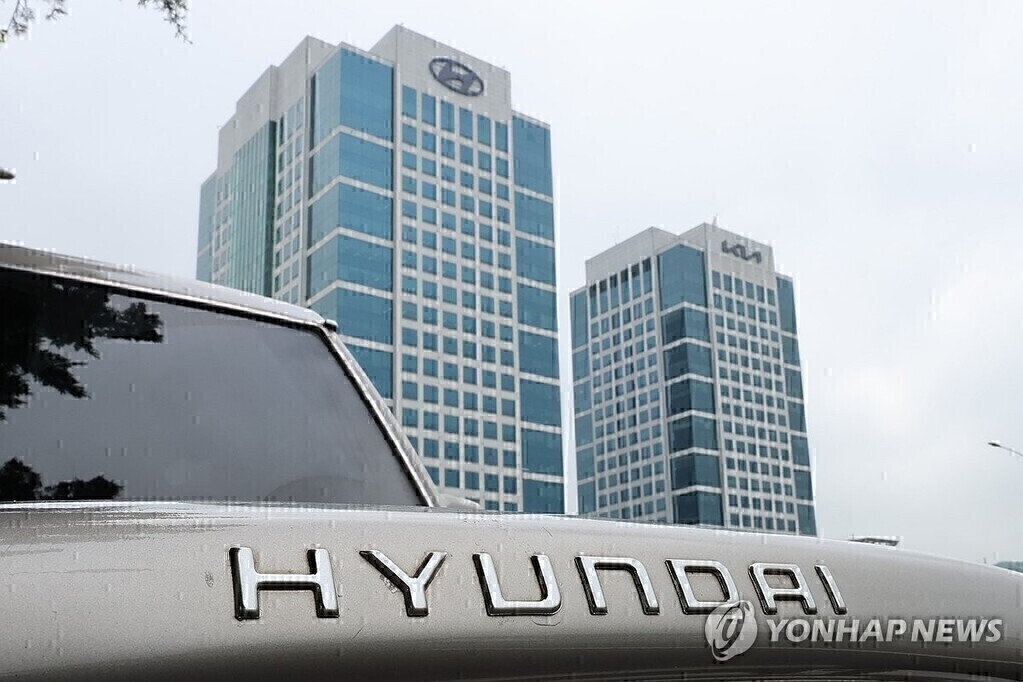
[Alpha Biz= Paul Lee] The long-running legal dispute over the delayed recall of Theta II engines by Hyundai Motor and Kia is set to resume next month, five years after the trial was suspended following a constitutional challenge by the automakers. The first-instance ruling is expected to be delivered as early as next year.
According to the automotive industry and legal sources on Monday, the criminal trial involving Hyundai Motor and Kia as corporate defendants, along with former executives including Shin Jong-woon, former vice chairman in charge of quality, Bang Chang-seop, former head of quality management, and Lee Seung-won, former head of quality strategy, will resume on the 25th of next month. The defendants are charged with violating the Motor Vehicle Management Act in connection with the Theta II engine recall.
The proceedings had been suspended since 2021, when Hyundai Motor and Kia filed a request for a constitutional review, arguing that the legal provisions governing recall obligations were unclear and violated the constitutional principle of legal clarity.
The Theta II engine controversy first emerged in 2015, when Hyundai Motor Group initiated a recall in the United States after vehicles equipped with the Theta II engine experienced issues such as engine stalling while driving. The controversy drew significant attention, as the engine was developed in-house by the group.
The issue later spread to South Korea. In April 2017, Hyundai Motor and Kia recalled approximately 170,000 vehicles domestically due to the risk of engine stalling. However, allegations surfaced that the automakers were aware of defects in the Theta II engine but deliberately delayed the recall and concealed the problem.
Later that year, South Korea’s Ministry of Land, Infrastructure and Transport referred the case to prosecutors. In 2019, prosecutors indicted Hyundai Motor, Kia, and several former executives, accusing them of violating the Motor Vehicle Management Act by failing to disclose known defects and delaying corrective measures.
Under the Act, manufacturers are required to immediately disclose and rectify defects once they become aware that a vehicle does not meet safety standards or poses safety risks due to design, manufacturing, or performance flaws. Violations—including concealing, downplaying, or falsely disclosing defects, or failing to take corrective action without delay—are punishable by up to 10 years in prison or a fine of up to ₩100 million.
Hyundai Motor and Kia have maintained that the recall-related provisions lack clear criteria, arguing that penalizing manufacturers under such ambiguous standards violates the constitutional principle of clarity. The constitutional review request led to the suspension of the trial in 2021, with proceedings now set to resume after a five-year hiatus.

Alphabiz Reporter Paul Lee(hoondork1977@alphabiz.co.kr)