
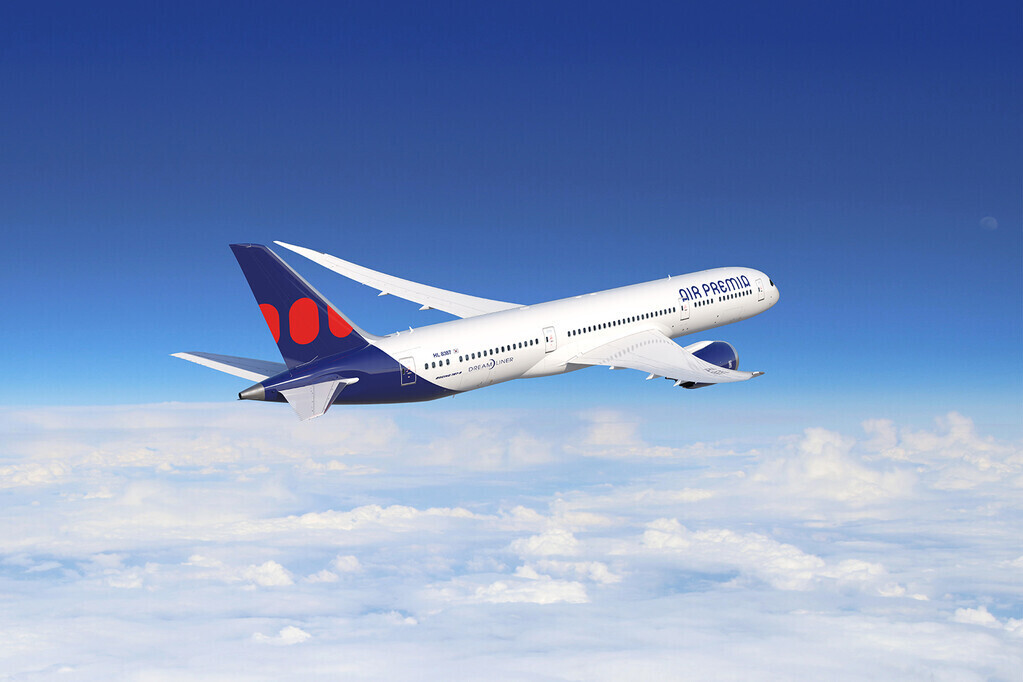
[Alpha Biz= Kim Jisun] Air Premia is facing the risk of its first-ever pilot strike since its establishment, as labor-management tensions intensify amid concerns over harsh working conditions and mounting financial pressure.
According to the aviation industry on Tuesday, the Air Premia pilots’ union is conducting a strike authorization vote through January 29, following the breakdown of wage negotiations that have taken place ten times since October 2024.
The union argues that pilots have not received a single wage increase since 2020 and that unpaid allowances have effectively resulted in a real wage decline. It is demanding an 8.3% pay raise. Once the vote concludes, the union plans to seek mediation from the National Labor Relations Commission to secure the right to strike. However, as air transport is classified as an essential public service in South Korea, a full-scale strike is not permitted even if strike rights are granted.
Air Premia has pursued a management strategy focused on maximizing efficiency and rapid expansion, a move industry observers believe has contributed to the current situation. The airline expanded its network from Honolulu last year to Washington, D.C. in April, operating nine routes with a fleet of just nine aircraft.
As flight schedules tightened, Air Premia has operated so-called “quick turn” flights—where aircraft return immediately without overnight stays—on routes such as Incheon–Da Nang and Incheon–Dhaka since last year. This has resulted in pilots and cabin crew working up to 18 hours per day, drawing criticism over excessive workloads.
Safety concerns have also been raised over the airline’s staffing practices. Air Premia has reportedly operated Boeing 787 Dreamliner aircraft with fewer cabin crew members than the number of available emergency exits, prompting questions about onboard safety management.
Operational instability has further weighed on the airline. Due to limited aircraft availability, schedule changes have been frequent, and the Ministry of Land, Infrastructure and Transport (MOLIT) rated Air Premia “Very Poor (F++)” in its international flight reliability assessment for the first half of 2025—the lowest grade among Korean carriers.
Meanwhile, Air Premia is under pressure to improve its financial structure. The airline was ordered by MOLIT to strengthen its capital base after its capital impairment ratio exceeded 50% in September 2024. The company must reduce the ratio to below 50% by September this year.
Under Article 28 of the Aviation Business Act, MOLIT may revoke an airline’s operating license if a capital impairment ratio of 50% or higher persists for more than two years following a financial improvement order and is deemed to pose risks to safety or consumers.
Air Premia reported consolidated revenue of 491.6 billion won and operating profit of 40.7 billion won in 2024, up 31% and 120% year-on-year, respectively. However, its capital impairment ratio remained high at 81.4%, little changed from 82.1% the previous year.
Alphabiz Reporter Kim Jisun(stockmk2020@alphabiz.co.kr)