 |
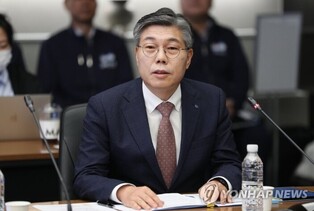
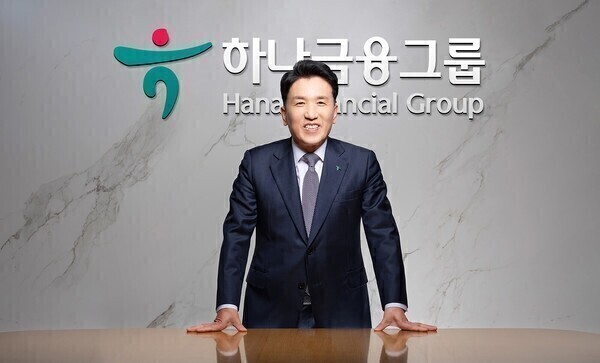
Ham Young-joo, Chairman of Hana Financial Group. (Photo: Hana Financial Group) |
[Alpha Biz= Reporter Lee Joonhyun] Hana Financial Group has strongly denied allegations related to its involvement in an Indonesia-based nickel smelter project powered by coal-fired electricity, calling the claims “clearly fake news,” and has moved to actively clarify its position.
The controversy emerged after fans of global K-pop star G-Dragon (GD), who serves as a brand ambassador for the group, raised concerns over alleged “greenwashing.” In response, Hana Financial emphasized that the investment was aimed at securing nickel, a key material for secondary batteries, rather than supporting coal-fired power generation.
Environmental groups, however, have pushed back, arguing that as long as the facility relies on coal-based power, the project cannot be considered genuinely eco-friendly. As a result, the debate is expected to persist. The issue has also raised broader questions about whether the ESG governance framework championed by Hana Financial Group Chairman Ham Young-joo has been properly applied in actual investment decision-making.
The controversy stems from Hana Bank’s participation in a syndicated loan totaling USD 530 million (approximately KRW 7.7 trillion) for the PT Halmahera Jaya Ferronickel (HJF) smelter project in Indonesia. HJF is a nickel smelting subsidiary of Indonesia’s Harita Group, operating a facility on Obi Island that relies on coal-fired power plants for electricity. Hana Bank joined the lending syndicate alongside institutions such as DBS Bank and UOB.
Critics argue that the investment contradicts Hana Financial Group’s “coal exit” declaration announced in 2021, under which the group committed to achieving carbon neutrality by 2050, given that the project’s operations depend heavily on coal-fired power generation.
Hana Financial Group has rejected the criticism as misleading. In an interview with AlphaBiz, a Hana Financial official said, “The investment was made in a nickel smelting entity producing materials for secondary batteries, not in Harita Group’s captive coal-fired power plants.” The official added, “Hana Bank participated only partially in the overall KRW 8 trillion financing, and the facts surrounding the transaction have been distorted.”

Alphabiz 이준현 기자(wtcloud83@alphabiz.co.kr)