
 |
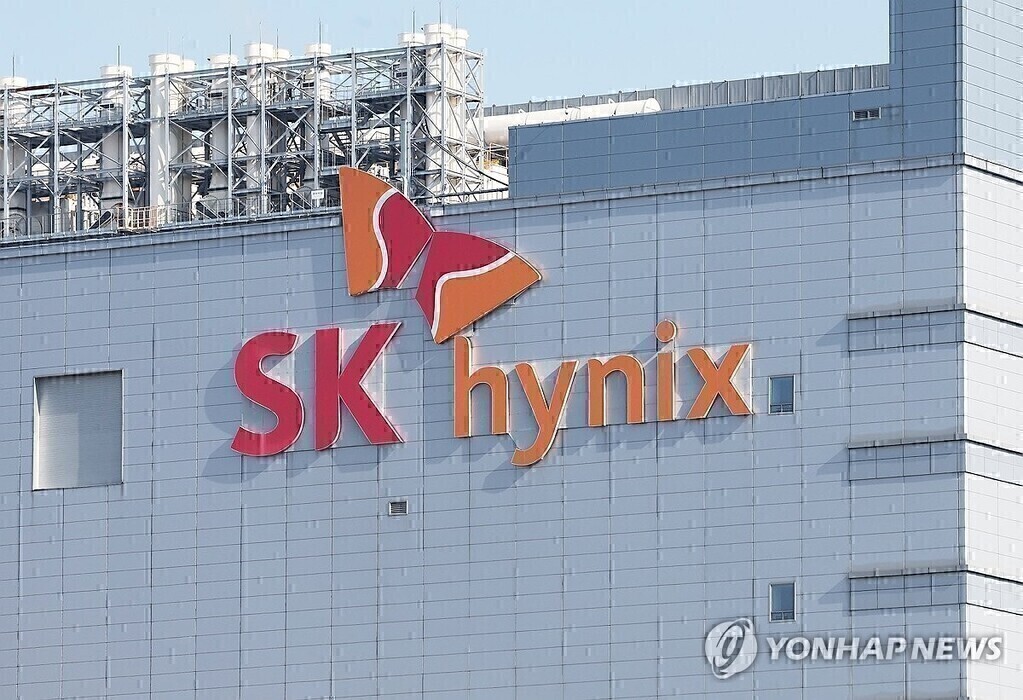
Headquarters of SK Hynix in Icheon, Gyeonggi Province. (Photo=Yonhap) |
[Alpha Biz= Kim Sang Jin] SEOUL, April 9, 2026 — So-called “smart money” — elite investors representing the top 1% of returns in the domestic stock market — appears to be sending a stark warning signal, as they continue to offload shares of SK Hynix while redirecting capital toward Samsung Electronics.
Market observers say this shift goes beyond routine profit-taking. While SK Hynix surged approximately 55% earlier this year on the back of the AI semiconductor rally, the recent wave of selling is increasingly viewed as a reflection of deeper concerns about the company’s internal challenges and future competitiveness.
At the center of investor anxiety is the potential erosion of leadership in next-generation high-bandwidth memory (HBM), a critical technology underpinning AI infrastructure. Reports of delays in qualification testing for HBM4 and the need for a full redesign have raised questions that extend beyond typical technical hurdles.
The situation presents a striking paradox. Despite awarding substantial incentives — reportedly up to 600 million won for senior staff — and aggressively recruiting top semiconductor talent, including key engineers from rivals, SK Hynix now appears to be lagging in the very technology expected to define future market leadership.
Adding to concerns, the company’s messaging to the market has been perceived as inconsistent. While still facing hurdles in passing final qualification tests for HBM4, SK Hynix has suggested that mass production is secured and has already begun referencing future-generation HBM5, raising skepticism among investors.
Its technology strategy has also appeared to shift. The company previously ruled out hybrid bonding due to cost concerns, only to later signal potential adoption. Similarly, its stance on next-generation DRAM (1c, sixth-generation) yields has evolved, contributing to uncertainty about execution.
Analysts suggest these inconsistencies point to broader governance and risk management issues. The success of HBM3 may have fostered complacency, weakening organizational discipline at a time when proactive control and contingency planning were critical.
In contrast, Samsung Electronics has acknowledged past missteps and undertaken sweeping internal reforms, delivering record-breaking operating profit of 57.2 trillion won in the first quarter and reasserting its market leadership.
Industry observers note that Samsung’s turnaround underscores a clear message: without decisive restructuring and execution, even market leaders can face strategic setbacks.
Investors and shareholders, who have supported substantial compensation and investment, are increasingly demanding forward-looking performance rather than reliance on past achievements. The evolving requirements of global big tech clients — characterized by highly customized and rapidly advancing specifications — are also challenging companies to move beyond closed, self-reliant development models.
Experts emphasize that SK Hynix may need to accelerate strategic initiatives such as mergers and acquisitions (M&A) and open innovation partnerships to bridge technological gaps and expand its ecosystem.
South Korea is currently at a pivotal moment in the global race for AI semiconductor leadership. Market participants warn that if SK Hynix — a key pillar of the nation’s semiconductor industry — falters, the broader industrial ecosystem could face significant repercussions.
With top-tier investors already signaling an “exit,” analysts say the company now faces a critical window to undertake fundamental reforms across governance, organizational culture, and strategic execution.
Alphabiz Reporter Kim SangJin(ceo@alphabiz.co.kr)