
 |
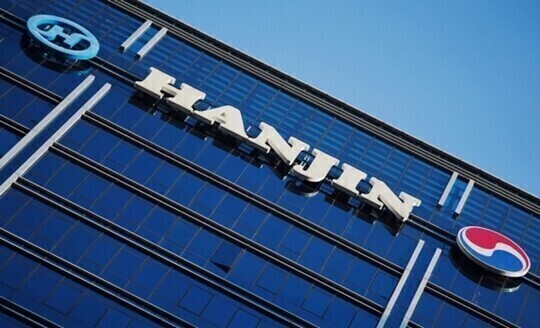
Photo courtesy of Yonhap News |
[Alpha Biz= Paul Lee] Hanjin Group has formally initiated plans to integrate its three low-cost carriers (LCCs)—Jin Air, Air Busan, and Air Seoul—into a single entity. The move aligns with Korean Air’s ongoing acquisition and integration of Asiana Airlines. The combined LCC would create a “giant” carrier, though financial challenges remain significant.
Jin Air announced the formation of a dedicated team to manage post-merger integration (PMI) tasks, aiming to launch the consolidated LCC by Q1 2027, in sync with the parent company’s merger schedule.
Financially, the consolidation presents hurdles. As of Q3 2025, Air Busan’s debt ratio stands at 614%, with total debt of KRW 1.198 trillion versus equity of KRW 198 billion. Air Seoul is in an even more precarious state, with total debt of KRW 2.629 trillion and equity of KRW 341 billion, yielding a debt ratio of 771.5%. Jin Air is relatively stronger but still carries a 411.4% debt ratio.
Combined, the three carriers would have total debt of KRW 2.425 trillion and equity of KRW 463.5 billion, translating to a pro forma debt ratio of approximately 523.2%. The additional debt could add roughly KRW 97 billion in annual interest expenses, assuming a 6% borrowing rate.
Hanjin Group expects synergies from the consolidation, including rationalization of overlapping routes and staff, integration of aircraft and maintenance operations, reorganization of slots and hubs, and enhanced bargaining power in fuel and lease negotiations.
Alphabiz Reporter Paul Lee(hoondork1977@alphabiz.co.kr)