
 |
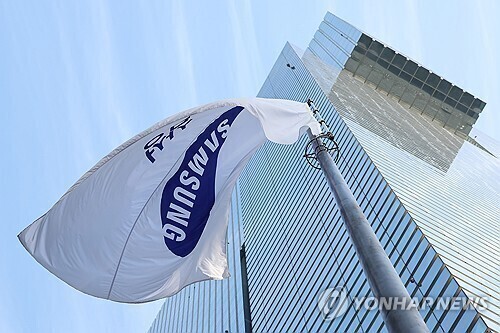
Photo courtesy of Yonhap News |
[Alpha Biz= Kim Jisun] Last-minute wage negotiations between Samsung Electronics and its labor union broke down on May 20, raising the likelihood of a large-scale strike that could pose unprecedented economic risks.
According to the National Labor Relations Commission, the union accepted a proposed mediation plan, but management withheld approval, resulting in a final breakdown of talks.
The core disagreement centers on how to distribute performance-based bonuses. The union proposed allocating 70% of the bonus pool equally across the semiconductor (DS) division, with the remaining 30% tied to individual business unit performance. Management rejected the proposal, arguing it undermines the company’s merit-based compensation system.
With the strike deadline approaching, Kim Young-hoon stepped in to facilitate additional negotiations at the regional labor office in Suwon. However, the talks remain voluntary and lack binding authority.
The government is now increasingly considering invoking emergency arbitration powers—an extraordinary measure used only four times since its introduction in 1963—to prevent a strike.
If negotiations ultimately fail, the union is expected to launch an 18-day general strike starting May 21. Industry estimates suggest potential losses could reach up to KRW 100 trillion, based on past disruptions such as semiconductor plant shutdowns.
The Bank of Korea has warned that such a strike could shave up to 0.5 percentage points off the country’s annual economic growth.
Even if a tentative agreement is reached, it would still require union member approval through a vote, leaving uncertainty over whether industrial action can be avoided.
Alphabiz Reporter Kim Jisun(stockmk2020@alphabiz.co.kr)